The Deep Roots of the Hawaiian Lei: More Than a Flower Necklace
By Scott Southworth · July 13, 2026
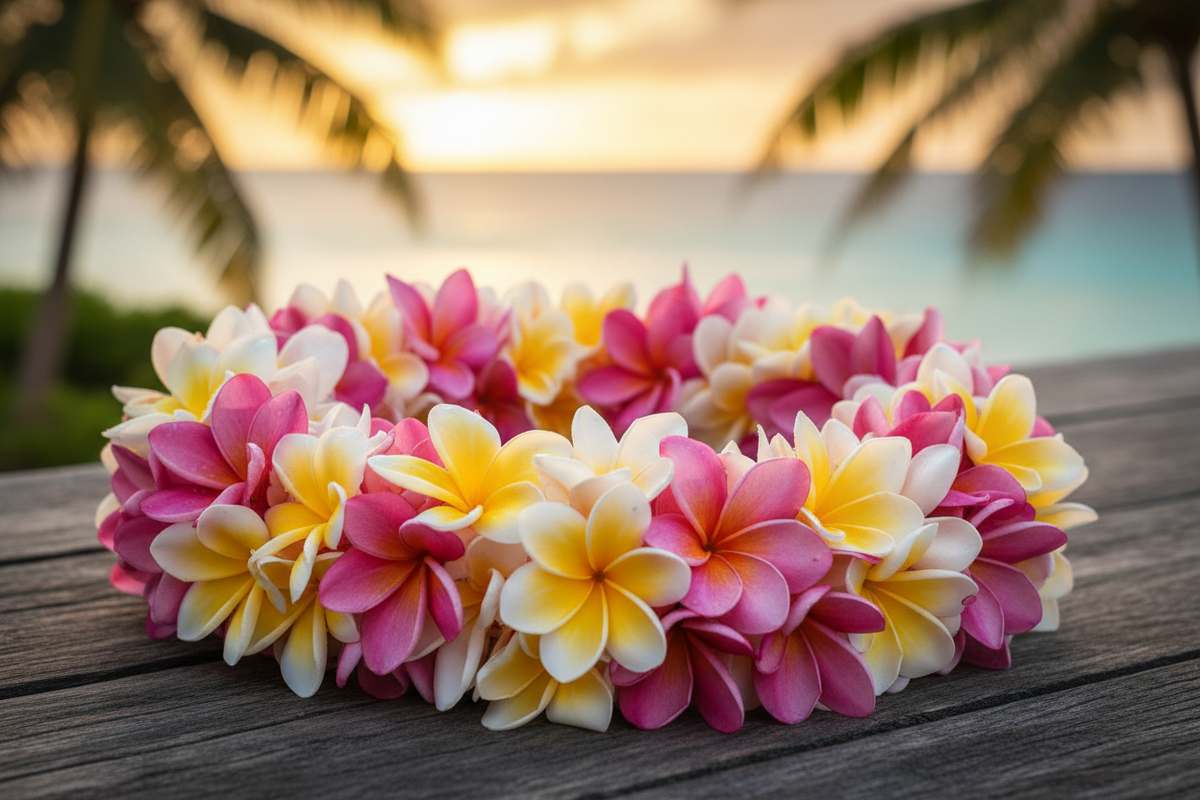
Aloha, island lovers!
If you’ve ever stepped off a plane in Hawaii, graduated from school, or attended a backyard luau, chances are you’ve had the velvety, fragrant weight of a lei placed around your neck. It’s the ultimate symbol of island hospitality. But to view the lei as just a tropical party accessory is to miss one of the most beautiful, enduring traditions in Hawaiian culture.
In ancient Hawaii, the lei wasn't just a decoration—it was a visual language. Let’s dive into the fascinating details behind this iconic island treasure.
Ancient Roots and Sacred Meaning
The tradition of the lei arrived in the Hawaiian Islands centuries ago with the early Polynesian voyagers, who navigated the Pacific by the stars. They brought with them the practice of weaving vines, leaves, and flowers to create body adornments.
In the old days, a lei was far more than a nice gesture. It was used to signify a person’s rank, wealth, and social status. Chiefly aliʻi (royalty) wore specific, rare leis to denote his status. Leis were also used to mark peace treaties between warring chiefs, bind sacred agreements, and offer prayers to the akua (gods).
It’s Not Just About Flowers
When most people think of a lei, they picture the standard, intensely fragrant plumeria or orchid leis. But traditional Hawaiian leis utilize an incredible variety of natural materials. The choice of material changes the entire meaning of the gift:
-
Maile Leaf: The maile vine, with its sweet, earthy scent of vanilla and fresh woods, is one of the oldest and most sacred leis. Open-ended and draped over the shoulders, it is traditionally used for weddings, blessings, and to honor someone of high regard.
-
Kukui Nut: Made from the polished, dark seeds of the candlenut tree, these durable black or brown necklaces were historically worn by royalty and wise elders. They represent light, protection, and wisdom.
-
Hala Fruit: Woven from the bright orange-red segments of the pandanus fruit, the hala lei carries deep symbolic weight. Because the word "hala" can mean "to pass away" or "to clear out," it is traditionally worn at the end of the year or during major life transitions to clear away the old and welcome the new.
The Unspoken Rules of Lei Etiquette
If you are fortunate enough to be gifted a lei, there is a beautiful protocol that goes along with it. Knowing the local customs shows a deep respect for the culture:
1. Never Refuse a Lei
A lei is a physical manifestation of someone’s aloha (love, respect, and affection). Refusing one is considered highly disrespectful. Always accept it with a smile and a warm thank you.
2. Wear It Right
A proper flower lei should not hang completely down your front like a western necklace. Instead, it should rest equally on your chest and your back, draped over your shoulders.
3. Pregnant Etiquette
If you are giving a lei to an expectant mother, local tradition dictates giving an open-ended lei (one that is untied, like a scarf). A closed loop around the neck is traditionally thought to symbolize bad luck or umbilical entanglement for the unborn child.
4. Returning It to the Earth
When your flowers finally begin to wilt, never throw a lei in the trash. Because the lei is a gift of love, tossing it in the garbage is like discarding the giver's affection. Instead, take the string out and scatter the petals in the ocean, bury them in your garden, or hang the dry lei from a tree branch to return its beauty naturally to the earth.
The Spirit of the Lei: Next time you wear one, take a close look at the intricate stitching, the placement of the leaves, and the pattern of the petals. A single lei can take hours of patient, skilled work to create. When someone places a lei around your neck, they are giving you a piece of their time, their breath, and their heart.
Until next time, keep the island spirit alive and live your life with aloha!